

Quick Answer
In the postpartum period, excess skin, laxity in the abdominal area and separation of the abdominal wall may be seen. A tummy tuck is a surgical procedure that aims to remove excess skin and fat tissue from the abdomen while tightening the abdominal wall.
Key Points
- In the postpartum period, excess skin, laxity in the abdominal area and separation of the abdominal wall may be seen.
- Suitability for a postpartum tummy tuck is not based on a single criterion.
- A tummy tuck (abdominoplasty) is a surgical procedure planned for structural changes such as laxity of the abdominal wall, excess skin and the appearance of stretch marks after pregnancy.
- When a tummy tuck is planned in the postpartum period, the recovery process is considered together with practical needs such as daily routine, baby care and work schedule.
Content reviewed by Op. Dr. Altuğhan Cahit Vural on 03.05.2026.
Tummy Tuck Surgery After Childbirth
In the postpartum period, excess skin, laxity in the abdominal area and separation of the abdominal wall may be seen. A tummy tuck is a surgical procedure that aims to remove excess skin and fat tissue from the abdomen while tightening the abdominal wall. The goal is a more even abdominal contour and stronger support for the abdominal wall.
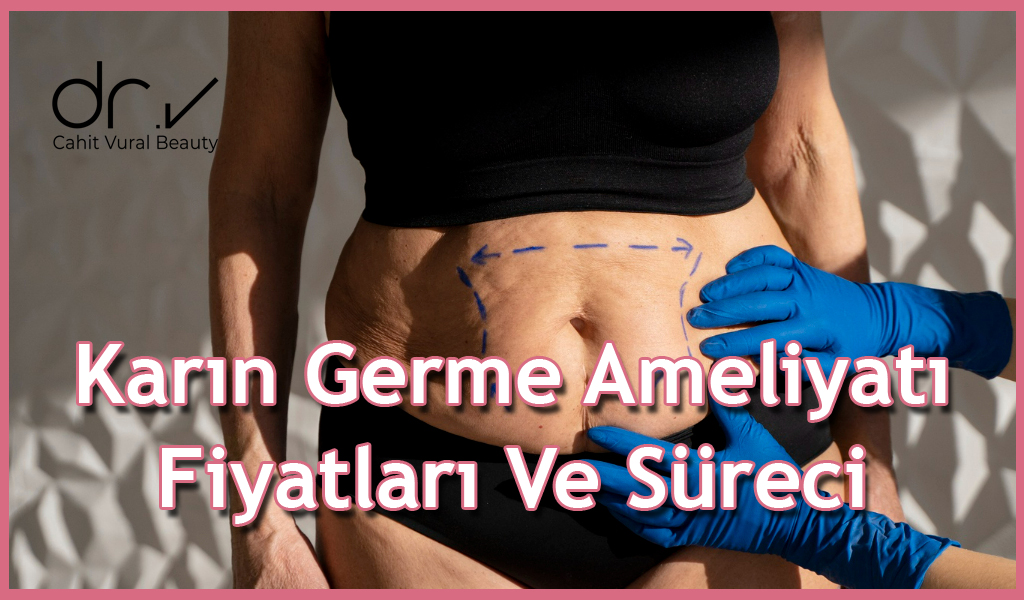
The assessment process begins with an examination. The surgeon reviews skin elasticity, the degree of sagging, the distribution of fat, the position of any caesarean scar and the likelihood of separation between the abdominal muscles. In some cases a mini tummy tuck is planned; in others a more extensive procedure is required. Planning is shaped by the amount of laxity in the lower and upper abdomen.
Pre-operative preparation includes safety steps. Blood tests, an anaesthesia assessment, a review of regularly used medication and adjustments regarding smoking all take place at this stage. Conditions that increase clotting risk, uncontrolled chronic illness and the presence of active infection affect the surgical plan. Specific to the postpartum period, breastfeeding status, medication use and care needs are also taken into account.
Compliance with certain rules matters during recovery. Wearing a corset in the first weeks, the activity plan, wound care, regular attendance at follow-up visits and avoiding heavy lifting are the main headings. Your doctor determines when you can return to daily activity and work according to your individual situation. All surgical procedures carry potential risks; bleeding, infection, fluid accumulation, scar visibility and clotting risk are discussed within this framework.
Who Is a Postpartum Tummy Tuck Suitable For?
Suitability for a postpartum tummy tuck is not based on a single criterion. The assessment is made through tissue changes in the abdominal area, general health status, lifestyle habits and expectation management. A medical examination is required at the first stage; the examination evaluates the amount of sagging, skin quality, fat distribution, scars from previous surgery and the integrity of the abdominal wall.
Generally, people who have pronounced excess skin and laxity after childbirth, with an abdominal contour problem that does not improve with diet and exercise, are in the candidate group. Separation between the abdominal muscles, medically known as rectus diastasis, affects core support and posture in some people; the examination reveals the degree of this separation. This finding is among the important factors that determine the surgical plan.
Weight control is also one of the suitability criteria. Weight is expected to remain stable within a certain range before surgery. Frequent weight gain and loss reduces the predictability of results and can complicate recovery. Plans for a future pregnancy are also considered; in people planning a pregnancy in the near future, the timing of surgery is reconsidered. The body’s recovery after childbirth varies from person to person, so the decision on timing is made by the surgeon on the basis of medical data.
In suitable candidates the aim is safe surgical planning within a realistic framework of results. Your doctor determines the scope of the procedure according to your examination findings, explains the risks clearly and offers a practicable road map for the recovery process. This approach plays a decisive role in patient safety and outcome management in postpartum tummy tuck surgery.
How Long After Childbirth Can a Tummy Tuck Be Performed?
A tummy tuck (abdominoplasty) is a surgical procedure planned for structural changes such as laxity of the abdominal wall, excess skin and the appearance of stretch marks after pregnancy. The speed of recovery after childbirth varies from person to person, so the timing of surgery is not set by a single calendar. When planning, the type of delivery, breastfeeding status, weight stability, the presence of separation in the abdominal muscles (diastasis) and the general health assessment are all taken into account.
The general approach is to allow enough time after birth for hormone balance and tissues to return to normal to a certain extent. Shrinking of the uterus, recovery of skin and connective tissue elasticity, the response of the abdominal muscles to rehabilitation and the end of weight fluctuations are all important for predictable surgical results. In procedures performed before this process is complete, the need for additional correction may increase because of later weight changes and tissue laxity.
The surgical plan is also assessed separately during breastfeeding. Anaesthesia, the painkiller plan and post-operative medication are arranged by the surgeon according to the feeding routine. Many surgeons make a clearer assessment after breastfeeding has ended and hormonal fluctuations have decreased. In planning after a caesarean delivery, the healing status of the incision line, possible adhesions and the strength of the abdominal wall are taken into consideration.
The Recovery Process After a Postpartum Tummy Tuck
When a tummy tuck is planned in the postpartum period, the recovery process is considered together with practical needs such as daily routine, baby care and work schedule. Tissue swelling, a feeling of tightness and limited movement are expected for a certain period after surgery. For recovery to progress safely, the surgeon clearly sets out the follow-up calendar, dressing routine, medication plan and activity limits. Here are the key details of the recovery process:
- Short walks in the first days support circulation and reduce the risk of clots.
- Wearing a corset helps control swelling and continues for a set period according to your doctor’s advice.
- If drains are used, fluid monitoring and care rules reduce the risk of infection.
- Pain control is provided with prescribed medication; unplanned use of medication is not recommended.
- Wound care follows the principle of keeping the area dry and clean, with dressing intervals set by the surgeon.
- Sudden sitting up, heavy lifting and strenuous movements can put strain on the suture line.
- Adequate protein and fluid intake supports tissue repair.
- Smoking can adversely affect wound healing; the surgeon usually requires a cessation plan.
Swelling and a feeling of firmness may be seen in the abdominal area in the first weeks after surgery; this is regarded as a natural part of tissue healing. Return to daily life is planned according to the scope of the procedure. Returning to a desk job may be possible earlier; jobs requiring physical effort call for a longer period of restriction. For driving, pain control, reflex safety and the surgeon’s approval are considered essential.
Baby care requires particular attention in the postpartum period. Lifting the baby, bending for long periods and interrupted sleep at night can affect recovery. The healing process is shaped by individual health status and surgical technique. Setting expectations within a realistic framework is possible through regular follow-up and compliance with your doctor’s instructions. Throughout this process all decisions are guided by a plastic surgery specialist on the basis of examination findings and safety criteria.