

Quick Answer
A mommy makeover refers to surgical planning aimed at the changes that occur in the body during pregnancy and after childbirth. Although the term is used as if it were the name of a single operation, its content is determined individually and becomes clear after a medical examination.
Key Points
- A mommy makeover refers to surgical planning aimed at the changes that occur in the body during pregnancy and after childbirth.
- A mommy makeover is a combination of surgical procedures planned for the changes in body contour that appear after childbirth.
- A mommy makeover can be planned after a caesarean delivery.
- Recovery after a mommy makeover is shaped by the scope of the procedures performed, the length of the operation, additional health conditions and the care plan.
Content reviewed by Op. Dr. Altuğhan Cahit Vural on 29.03.2026.
Information About Mommy Makeover Surgery
A mommy makeover refers to surgical planning aimed at the changes that occur in the body during pregnancy and after childbirth. Although the term is used as if it were the name of a single operation, its content is determined individually and becomes clear after a medical examination. After giving birth, laxity of the abdominal skin, weakening of the abdominal wall, volume loss or sagging in the breasts, and fat accumulation around the waist and back may be seen. Some of these changes can be influenced to a limited extent by lifestyle adjustments; in certain cases a surgical assessment comes onto the agenda.
During the planning process, general health status, chronic conditions, regularly used medication and smoking habits are taken into account. While breastfeeding continues, the surgical plan is postponed in most cases, because breast tissue and hormone balance may change over time. Since weight fluctuations can also affect the outcome, the surgeon evaluates weight stability and the postpartum recovery process. During the examination, factors such as skin quality, separation of the abdominal muscles, existing stretch marks, the amount of tissue and the placement of scars are reviewed.
What Is a Mommy Makeover? Which Procedures Does It Cover?
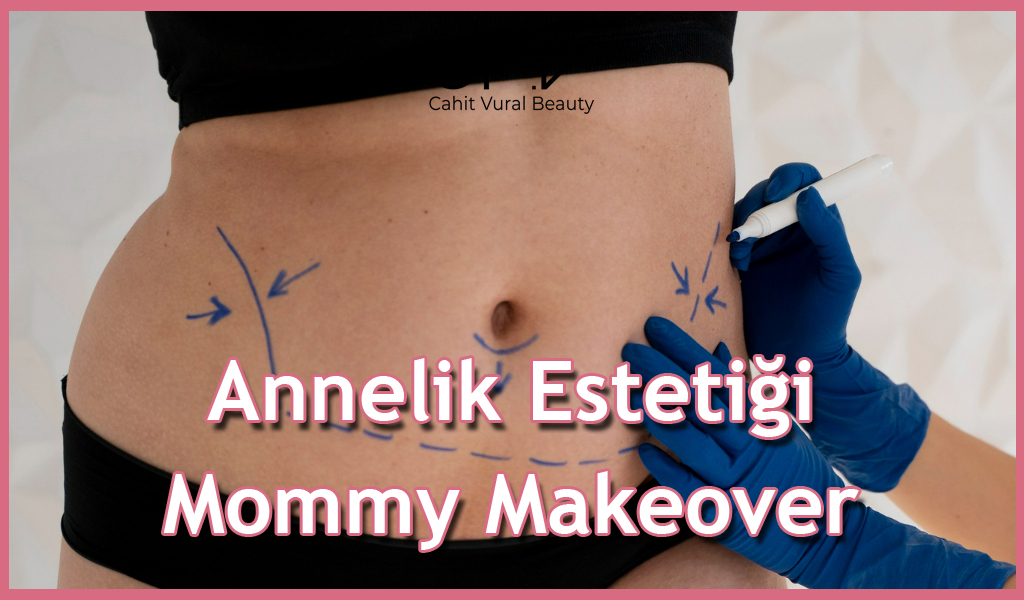
A mommy makeover is a combination of surgical procedures planned for the changes in body contour that appear after childbirth. It is made up of different options that can be applied to the abdomen, the breasts and body contouring areas. Which procedures are included is determined on the basis of examination findings and medical suitability. For this reason, a mommy makeover is not regarded as a fixed application containing the same steps for everyone.
The abdomen is one of the areas addressed most often. If sagging of the abdominal skin and laxity of the abdominal wall are detected, a tummy tuck may come onto the agenda. If separation of the abdominal muscles (diastasis) is identified during the examination, a repair plan for the abdominal wall is also considered. In people with a caesarean scar, the incision plan is additionally reviewed in terms of scar placement and tissue healing. In some patients a correction limited to the lower abdomen is considered sufficient; in others a more extensive approach may be required.
When there is volume loss, sagging or asymmetry in the breast area, a breast lift or implant application becomes one of the options. The appropriate method is determined according to nipple position, excess skin, the amount of tissue and measurements. In cases of asymmetry, different techniques may need to be applied to each breast. The location of surgical scars may also vary depending on the chosen technique.
If there is localised fat accumulation along the body contours, liposuction is evaluated. A plan can be made for areas such as the abdomen, waist, back, hips and thighs. Liposuction is not considered a weight-loss method; the aim is to refine the contour and reduce irregularities in specific areas. If skin quality is poor or there is a marked risk of sagging, additional surgical options are assessed by the surgeon.
Can a Mommy Makeover Be Performed After a Caesarean Section? Scars and the Healing Process
A mommy makeover can be planned after a caesarean delivery. However, the decision is made according to the body’s recovery time after birth, general health status and the results of the surgical assessment. Because the caesarean incision and procedures directed at the abdominal area lie in the same anatomical region, timing is critically important. The uterus is expected to have shrunk, the abdominal wall to have regained strength, blood values to have stabilised and weight change to have largely settled.
The breastfeeding period also affects planning. Milk production, hormone levels and the volume of breast tissue change over time. For this reason, procedures directed at the breast area are planned more soundly in the period when breast tissue has reached a more stable appearance. Medication in use, the type of anaesthesia and post-operative pain control are also evaluated together with the breastfeeding process. Regularly used medication, a history of clotting disorders, smoking and adhesions from previous operations become part of the risk analysis.
The caesarean scar is usually a horizontal line close to the bikini line. If surgery of the abdominal area is planned as part of a mommy makeover, the position of the existing scar and the thickness of the tissue are taken into account; the aim is to keep scars in the most favourable plane possible. Wound healing is closely related to individual predisposition, skin type, nutritional status and compliance with post-operative care rules. Your surgeon provides a structured protocol on scar care, including sun protection, an appropriate dressing routine and, if needed, scar management methods.
What Is the Recovery Process Like After a Mommy Makeover?
Recovery after a mommy makeover is shaped by the scope of the procedures performed, the length of the operation, additional health conditions and the care plan. Your doctor will set out discharge criteria, the medication schedule, activity limits and the follow-up calendar as a written programme. In the post-operative period the goals are pain management, protection of circulation, standardised wound care and reduction of complication risk. Here are the details of the recovery process:
- Rest takes priority in the first few days, and short, controlled walks at intervals are recommended.
- Medication prescribed for pain control is taken at the planned times.
- Dressing and showering rules are followed exactly as set out by your doctor.
- The recommended medical corset or supportive garment is worn regularly to reduce swelling.
- If sudden swelling, shortness of breath, high fever or unexpected discharge occurs, a healthcare facility should be contacted.
In the first week, daily activities are limited to basic needs and lifting restrictions are observed. Protecting the suture lines, reducing friction around the wound and applying hygiene steps correctly directly affect the quality of healing. Sleeping position also matters; if a procedure has been carried out on the abdomen, lying with the upper body slightly raised can reduce the feeling of tension. Fluid intake and a protein-focused nutrition plan support tissue repair; against the risk of constipation, fibre intake and suitable supplements approved by your doctor come onto the agenda.
During the second and third weeks part of the swelling subsides, bruising fades and mobility increases. Even so, this is still an early period for intensive housework, heavy sports and exercises that raise intra-abdominal pressure. The number of days alone is not the only criterion for driving, returning to work or starting sport; pain level, reflexes, medication in use and the surgeon’s examination findings are decisive. At follow-up visits, wound healing, the distribution of swelling and tissue positioning are evaluated; if necessary, massage, lymphatic drainage or scar management protocols are planned.